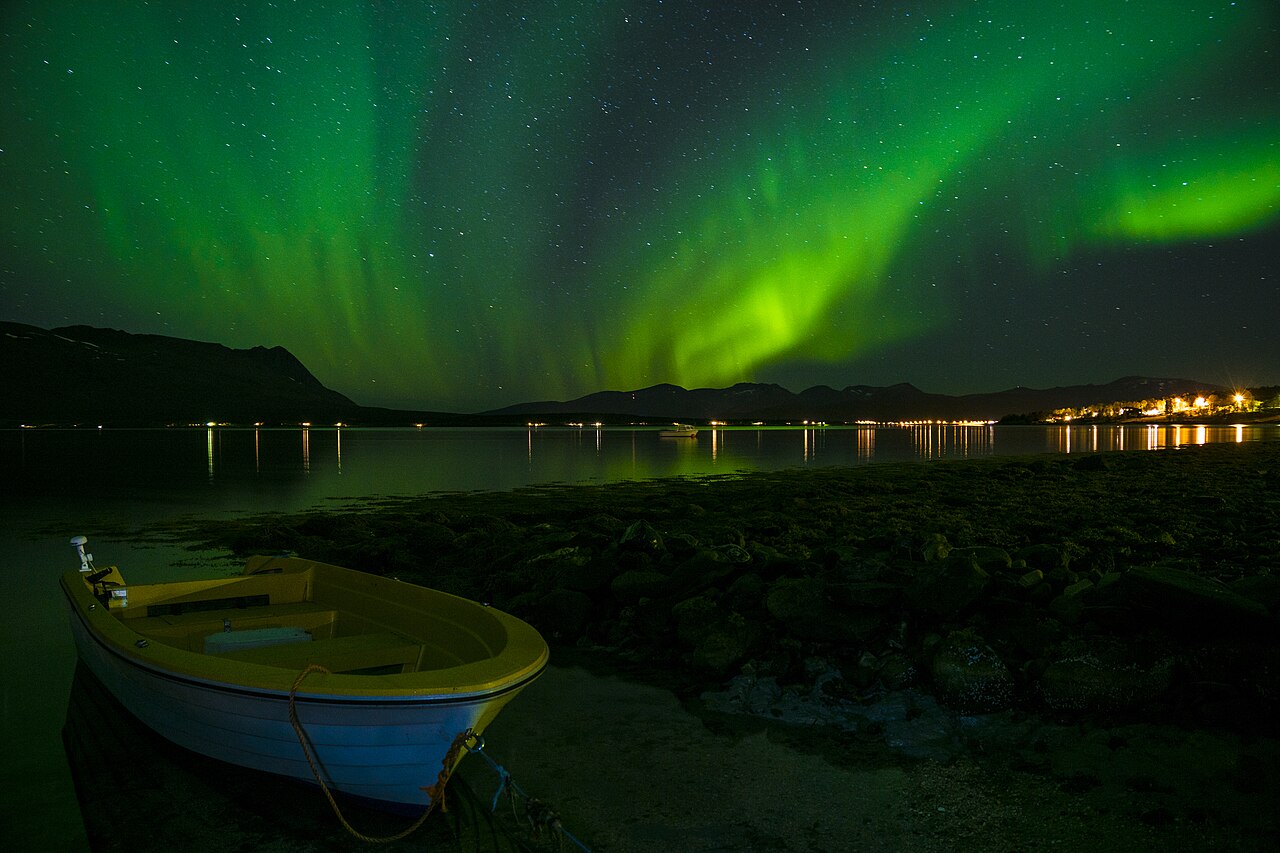
Want to explore the fjords around Tromsø but can't decide between a boat and a road trip? Both offer mountain and coastal scenery, but the experience feels quite different.
Here's what to expect from each option, including comfort, photo stops, weather and what to check before you book.
| Question | Fjord cruise | Road tour |
|---|---|---|
| Main view | Coast and mountains from the water | Beaches, villages and viewpoints |
| Comfort | Cabin and deck depend on vessel | Van or minibus between stops |
| Motion | Sea conditions can affect the trip | No sea motion; winding roads possible |
| Photo opportunities | Continuous changing shoreline | Several planned land stops |
| Access check | Gangway, stairs and toilet | Vehicle steps and snowy paths |
What is a fjord cruise like?
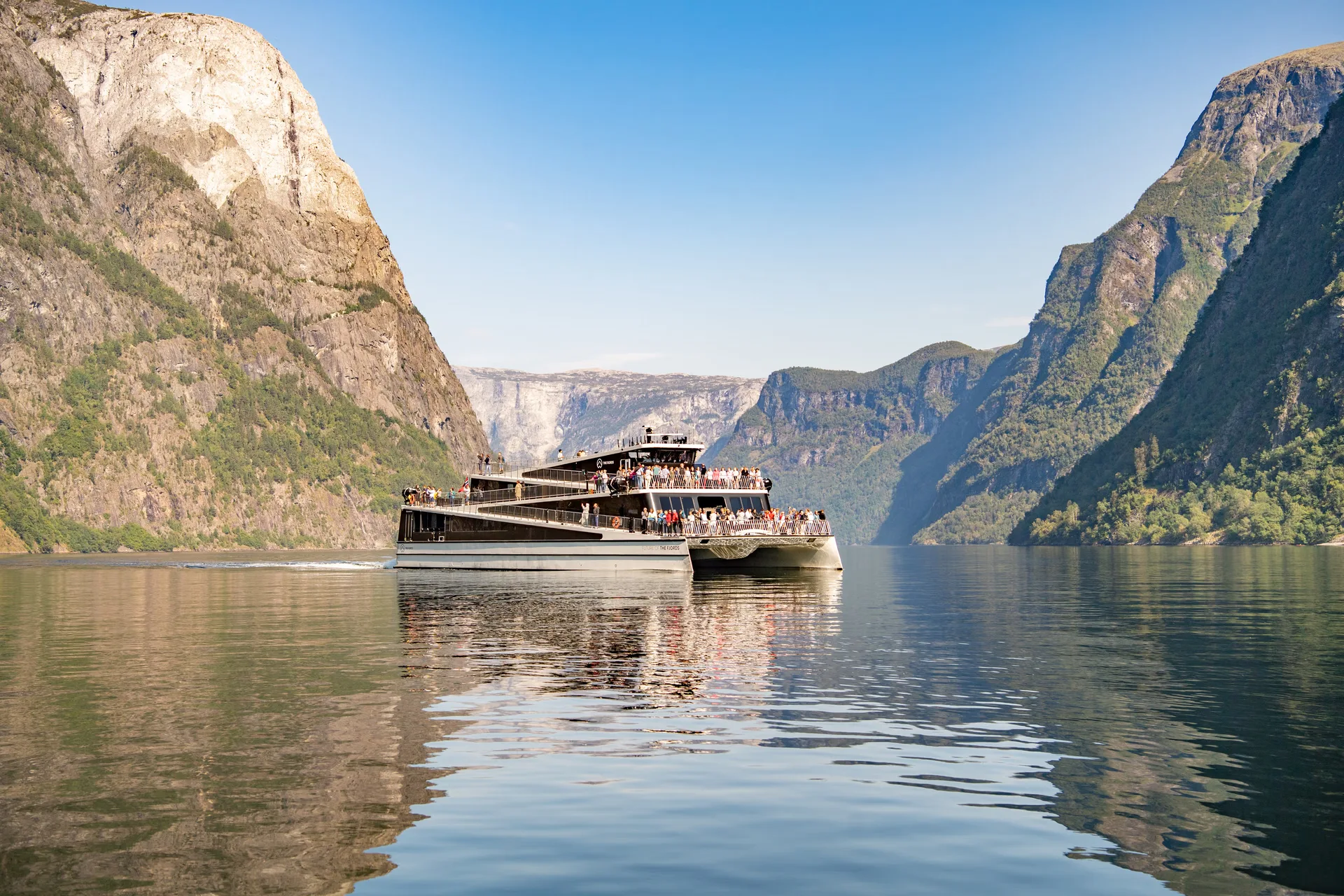
A fjord cruise lets you watch the coastline change from the water. Depending on the vessel, you may be able to enjoy the view through cabin windows and step outside on deck when you like.
Check the exact boat for indoor seating, toilets, food and accessibility. Wind and sea conditions can affect the route or lead to a cancellation.
What is a fjord road trip like?
On a road trip, you travel between stops by car, van or minibus and step out for views, photos and short walks. Some itineraries visit Kvaløya or Sommarøy, but the route and stops depend on the operator and conditions.
It's a good choice if you want to spend time on land or prefer not to travel by boat. Check the time in the vehicle, planned stops and whether food or transfers are included.
Which is better in winter?
Both can be enjoyable in winter. A boat with an indoor cabin offers a place to warm up between deck visits; on a road trip, you can warm up between outdoor stops in the vehicle.
Short daylight and weather can affect either option. Check the departure time and be prepared for wind, icy paths, changes to the route or cancellations.
Relevant activities
See the fjords by boat or by road
Compare sea motion, shore stops, total time and the exact route before booking.
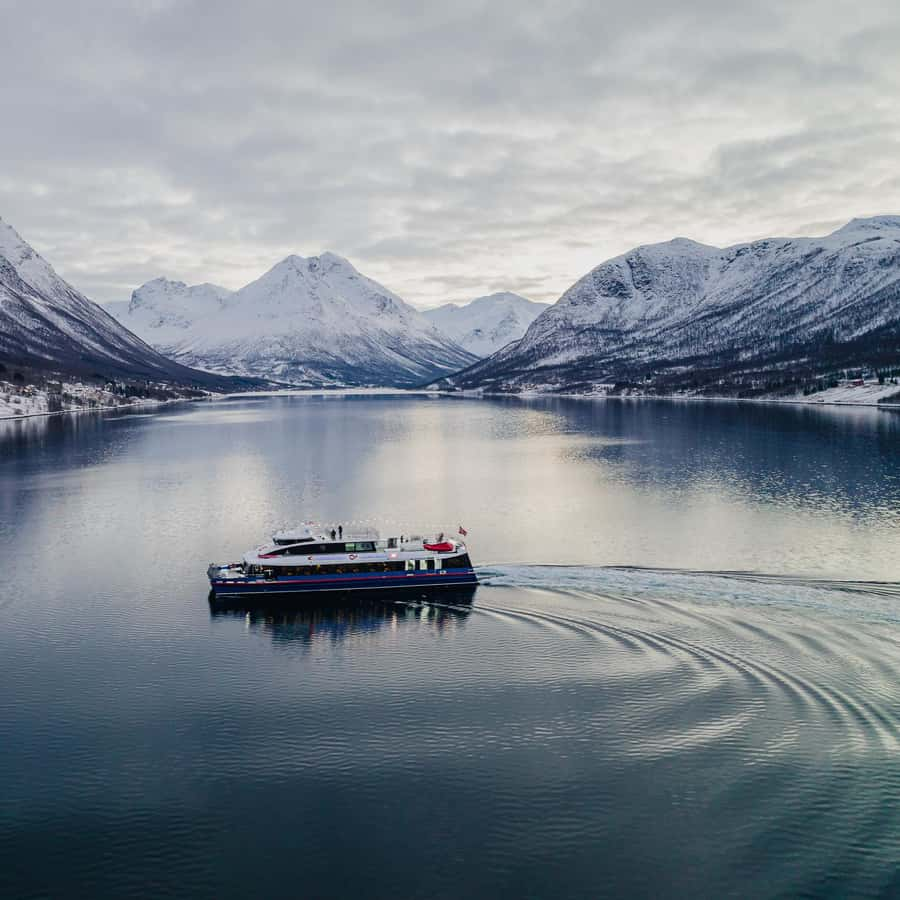 Coast from the waterShort Arctic fjord catamaran cruiseA scenic boat trip with indoor space on the listed vessel; sea conditions can change.Check current priceCheck availability ↗︎
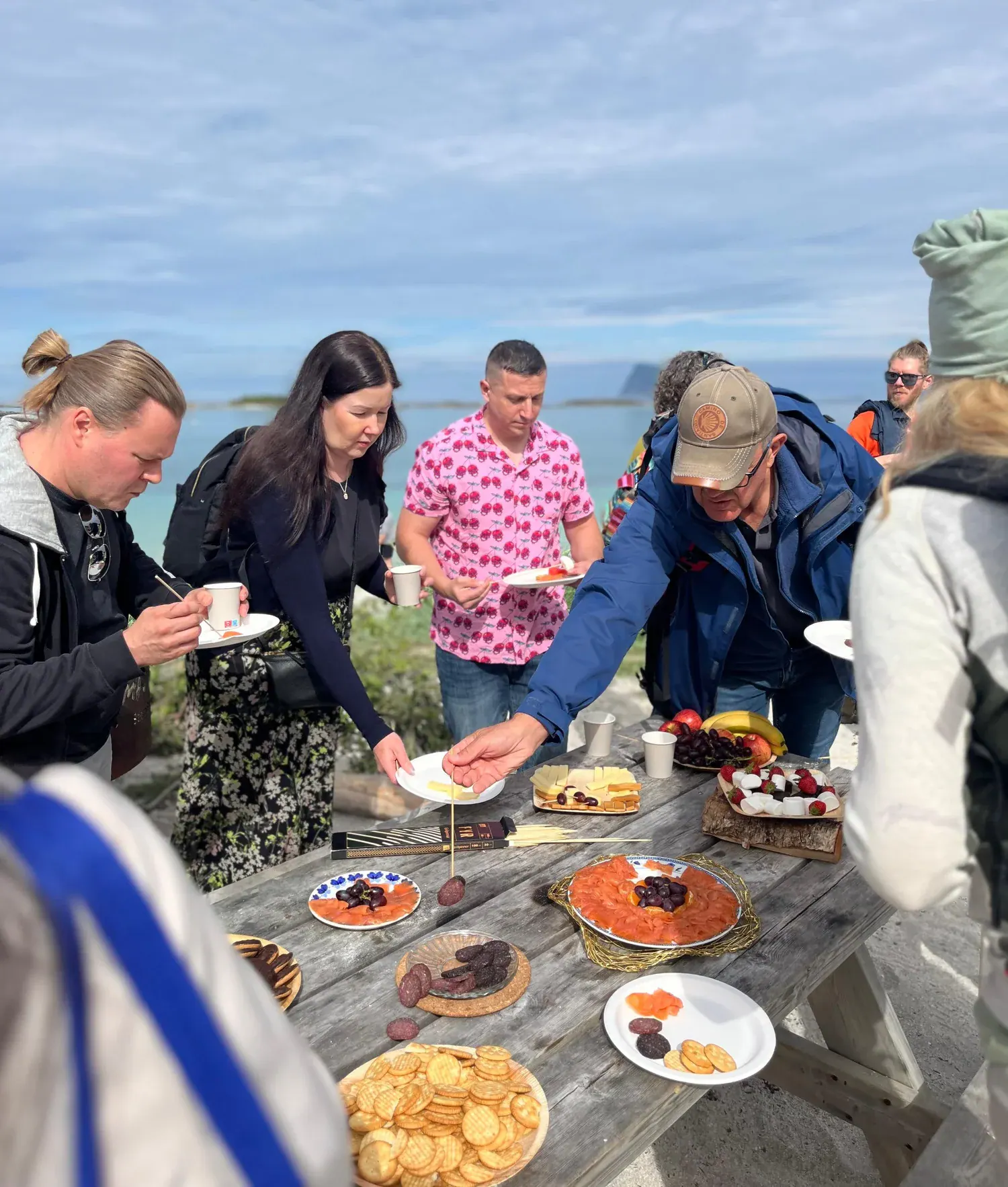 Fjord viewpoints by roadSommarøy road tour with salmon picnicTravel between land stops without sea motion; check the route and walking surfaces.Indicative price €62 per personCheck availability ↗︎
Seasickness, comfort and accessibility
If sea motion is a concern, a road trip avoids it, although winding roads can also be uncomfortable for some travellers. A larger boat may offer more space and shelter, but no vessel eliminates motion.
Ask about gangways, stairs, toilets and seating on a boat. For a road trip, check vehicle access, child seats and how much walking is involved at stops.
What about photos and wildlife?
A boat provides a moving view of the coastline, while a road trip offers a chance to photograph the scenery from shore. On both, bring warm layers so you can comfortably spend time outside.
You may see wildlife, but a scenic fjord tour doesn't guarantee whales. If whales are your priority, look at dedicated seasonal whale-watching trips and check their dates.
Which should you book?
Choose a cruise if being on the water is part of the experience you want. Choose a road trip if stopping at viewpoints or avoiding sea travel matters more.
Compare the exact departure, duration, meeting point, facilities and cancellation terms. Either can fit into an itinerary alongside time in Tromsø itself.
Common questions
FAQ
Is a Tromsø fjord cruise worth it in winter?
Yes if you want the water-level view and choose a suitable vessel. Daylight, wind and sea conditions affect the experience.
Is a road tour better if I get seasick?
A road tour avoids sea motion. It can still involve winding roads and time in a vehicle.
Do Tromsø fjord cruises have heated cabins?
Some do, including larger catamaran products. Check the exact vessel and current inclusions.
Will I see whales on a fjord tour?
Do not expect them on a general scenic trip. Choose a dedicated seasonal whale tour if wildlife is the main purpose.
Can I visit Sommarøy on a fjord road tour?
Some road itineraries travel towards Kvaløya and Sommarøy. Check the selected route and seasonal stop plan.
Which format is easier for families?
It depends on the child and product. Compare toilets, indoor shelter, sea motion, vehicle time and the accessibility of stops.